Understanding Dietary and Supplemental Nutritional Support for Male Well-being
Explore the science of nutrition and discover how balanced dietary choices support overall male health and vitality.

The Pillars of Male Nutrition
An introductory overview of fundamental nutritional principles essential for men's health
Proper nutrition serves as the foundation for male well-being. Understanding the balance between macronutrients and micronutrients is essential for maintaining energy, supporting bodily functions, and promoting long-term health.
Macronutrients—proteins, carbohydrates, and fats—provide the energy and building blocks your body needs. Micronutrients—vitamins and minerals—enable countless physiological processes that keep you functioning at your best.
A well-rounded diet that includes diverse whole foods ensures you receive a comprehensive spectrum of nutrients to support everything from muscle maintenance to immune function.
Essential Vitamins: An A-Z Guide
A structured overview explaining the function and importance of key vitamins

Key Vitamins for Male Health
Vitamin D: Supports bone health, immune function, and helps regulate calcium absorption. Natural sources include fatty fish, egg yolks, and exposure to sunlight.
Vitamin B12: Essential for energy production and neurological function. Found primarily in animal products such as meat, fish, dairy, and eggs.
Vitamin C: Acts as an antioxidant and supports collagen formation. Abundant in citrus fruits, berries, and leafy greens.
Vitamin A: Important for vision and immune support. Found in orange vegetables, dark leafy greens, and animal sources.
Vitamin E: Protects cells from oxidative stress. Present in nuts, seeds, and vegetable oils.
Minerals for Men: Beyond the Basics
Detailed information on crucial minerals and their roles in maintaining bodily functions
Essential Minerals Explained
Zinc: Plays a vital role in immune function, protein synthesis, and enzyme activity. Rich sources include oysters, beef, pumpkin seeds, and legumes.
Magnesium: Supports muscle function, energy production, and nervous system regulation. Found in almonds, spinach, pumpkin seeds, and whole grains.
Selenium: A potent antioxidant that protects cells from damage. Brazil nuts are an exceptional source, along with fish and poultry.
Iron: Essential for oxygen transport and energy metabolism. Red meat, poultry, legumes, and fortified grains provide this mineral.
Calcium: Beyond bone health, calcium supports muscle contraction and nerve transmission. Dairy products, leafy greens, and fortified alternatives contain it.

Dietary Sources for Key Nutrients
Common food groups rich in discussed vitamins and minerals

Practical Food Sources
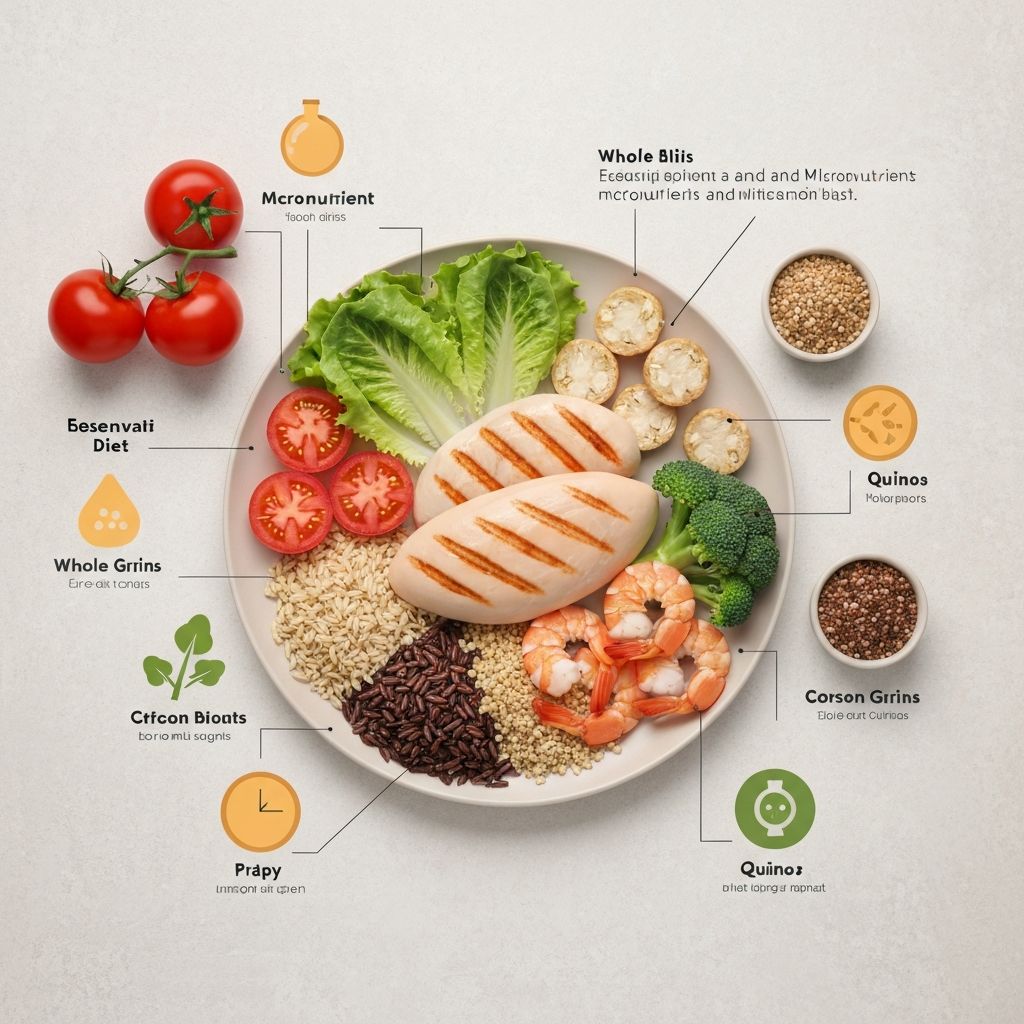
Lean Proteins: Chicken, turkey, fish, lean beef, and plant-based options like lentils and tofu provide amino acids necessary for muscle maintenance and enzyme production.
Whole Grains: Brown rice, oats, quinoa, and whole wheat products offer fiber, B vitamins, and sustained energy release.
Healthy Fats: Avocados, nuts, seeds, and olive oil contain essential fatty acids that support heart and brain health.
Colorful Vegetables: Different colors indicate different nutrient profiles. Red tomatoes, orange carrots, green spinach, and purple cabbage each contribute unique vitamins and minerals.
Fresh Fruits: Rich in vitamins, fiber, and natural antioxidants, fruits support digestion and overall vitality.
Understanding Antioxidants and Phytonutrients
Exploring the protective benefits of plant-based compounds
Plant-Based Protection
Antioxidants are compounds that help protect cells from oxidative stress—a natural byproduct of metabolism and external stressors. They neutralize harmful free radicals that can contribute to cellular aging.
Phytonutrients are bioactive compounds found exclusively in plants. They work synergistically with vitamins and minerals to support your body's defense systems.
Sources include: Berries (anthocyanins), green tea (catechins), turmeric (curcumin), dark leafy greens (lutein), and colorful vegetables (carotenoids).
Consuming a variety of plant-based foods ensures you benefit from this wide spectrum of protective compounds, contributing to long-term wellness.

Hydration and Its Importance
Understanding the physiological impact of proper hydration
The Role of Water in Male Health
Water is fundamental to every biological process—from nutrient transport to temperature regulation. Proper hydration supports cognitive function, physical performance, and cellular health.
General guidelines suggest consuming enough water to maintain pale urine color. Individual needs vary based on activity level, climate, and overall health, but approximately 15.5 cups (3.7 liters) daily for adult men is a reasonable reference point.
Hydration is often overlooked in discussions of nutrition, yet it's equally critical as the foods you consume. Dehydration can impair energy levels, concentration, and physical performance.
Beyond plain water, hydration can be supported through fruits, vegetables, and other beverages. However, water remains the optimal choice for consistent, effective hydration.
Balancing Diet and Lifestyle
The interplay between nutrition, physical activity, sleep, and stress management

Holistic Well-being
Nutrition doesn't exist in isolation. A truly supportive approach to well-being integrates multiple lifestyle factors:
Physical Activity: Regular movement—whether through structured exercise, recreational sports, or daily activities—complements a balanced diet by improving circulation and supporting metabolic health.
Sleep Quality: Adequate rest allows your body to repair and consolidate the benefits of good nutrition. Sleep deprivation can interfere with hormonal balance and energy metabolism.
Stress Management: Chronic stress affects digestion and nutrient absorption. Practices such as meditation, breathing exercises, or time in nature complement dietary choices.
By addressing these elements together, you create a comprehensive foundation for sustained well-being.
Exploring Different Dietary Approaches
Comparing various healthy eating patterns without endorsement
Diverse Nutritional Frameworks
Many evidence-based eating patterns can support male health. These include the Mediterranean diet, plant-based approaches, balanced omnivorous diets, and others.
Mediterranean Diet: Emphasizes olive oil, fish, whole grains, and abundant vegetables. Research indicates associations with cardiovascular health.
Plant-Based Approaches: Can range from vegetarian to fully vegan, requiring attention to complete proteins and specific micronutrients like B12.
Balanced Omnivorous Diet: Incorporates diverse animal and plant sources to ensure comprehensive nutrient coverage.
The "best" approach is the one that aligns with your values, preferences, and individual nutritional needs. Consistency and whole-food focus matter more than the specific framework chosen.

Nutritional Science: A Historical Perspective
The evolution of nutritional understanding and scientific discovery
How Our Understanding Has Evolved
The science of nutrition has progressed dramatically over the past century. Early discoveries identified essential nutrients like vitamin C (preventing scurvy) and iodine (supporting thyroid health).
The mid-20th century brought systematic understanding of macronutrient roles and caloric requirements. More recent decades have revealed the complexity of phytonutrients, gut health, and nutrient bioavailability.
Modern nutritional science employs sophisticated tools to understand how compounds interact within the body, recognizing that nutrition is not simply about individual nutrients but about food synergy and overall dietary patterns.
This historical context reminds us that nutritional knowledge continues to evolve. What we understand today provides practical, evidence-based guidance for supporting health and well-being.
Dispelling Common Nutritional Myths
Addressing popular misconceptions with evidence-based explanations
Separating Fact from Fiction
Myth: "Carbohydrates are inherently bad." Fact: Whole grains, legumes, and vegetables are valuable sources of fiber, vitamins, and sustained energy.
Myth: "All fats should be avoided." Fact: Unsaturated fats from nuts, seeds, and fish support heart and brain health.
Myth: "Supplements can replace whole foods." Fact: While supplements address specific deficiencies, whole foods provide fiber, phytonutrients, and synergistic compounds that isolated supplements cannot replicate.
Myth: "One diet works for everyone." Fact: Individual nutritional needs vary based on genetics, activity level, age, and overall health status.
Critical evaluation of claims and reliance on evidence-based information helps navigate the often confusing nutrition landscape.
The Role of Fiber in Male Health
Understanding fiber types, sources, and benefits for digestive and cardiovascular health
Why Fiber Matters
Dietary fiber—the indigestible portion of plant foods—plays critical roles in maintaining health. Unlike other nutrients that are absorbed, fiber passes through your digestive system intact, providing essential functions.
Soluble Fiber (found in oats, legumes, apples) dissolves in water and helps regulate blood sugar and cholesterol levels.
Insoluble Fiber (found in wheat bran, vegetables, whole grains) adds bulk and supports regular digestive function.
Adequate fiber intake supports digestive regularity, feeds beneficial gut bacteria, promotes stable blood sugar, and has been associated with cardiovascular benefits. General recommendations suggest 25-38 grams daily for adult men.
Gradually increasing fiber intake and maintaining adequate hydration helps your digestive system adjust comfortably to higher fiber consumption.
Understanding Energy Metabolism
How the body processes food to generate energy for vitality and endurance

The Energy Creation Process
Your body converts food into adenosine triphosphate (ATP), the cellular energy currency. This process begins with digestion and continues through multiple metabolic pathways.
Carbohydrate Metabolism: Carbohydrates are broken down into glucose, which enters cells and is converted to ATP, particularly important for quick energy needs.
Protein Metabolism: Amino acids support not only muscle building but also provide energy when carbohydrates and fats are insufficient.
Fat Metabolism: Fats provide sustained, long-term energy and support hormone production and cellular function.
Understanding this process explains why balanced nutrition—not extreme restriction or single-nutrient focus—best supports sustained energy, physical performance, and overall vitality.
Explore More Comprehensive Nutritional Insights
Continue your educational journey through our dedicated resources
For Men
Dedicated educational content exploring specific nutritional considerations relevant to men across various life stages and activity levels.
Explore the Science of NutritionFrequently Asked Questions
Find answers to common questions about nutrition for male well-being, energy levels, and dietary approaches.
Discover Key Dietary ComponentsHealth Disclaimer
Important information about the informational nature of our content and the importance of consulting with qualified professionals.
Learn About Male Nutritional NeedsLimitations and Context
The materials presented on Jyra are purely informational in nature. They are not intended to provide individual recommendations, medical advice, or diagnosis. The information presented reflects general scientific understanding and does not account for individual variation in health status, genetics, or specific circumstances.
Different individuals may have different nutritional needs and may respond differently to dietary approaches. The content on this site does not replace consultation with qualified healthcare professionals for personalized guidance.